
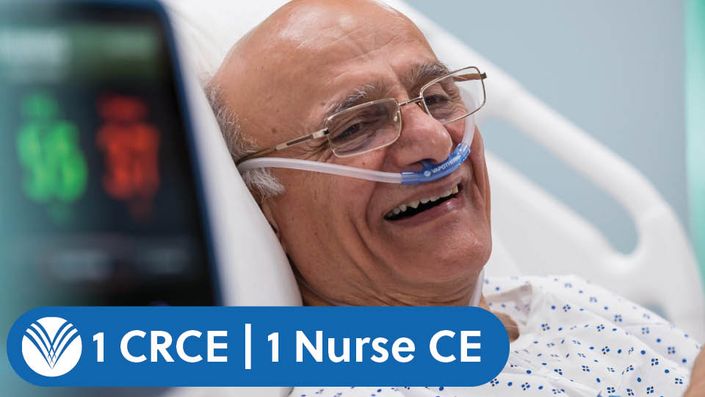
Optimizing Emergency Department Extubation: High Velocity Therapy as a Strategy to Promote Patient Safety
Know when to wait, when to extubate, and when to escalate.
Join us for a LIVE CEU webinar on post-extubation care in the ED, where we’ll cover how to recognize true readiness for extubation, when to pause before rushing to intubate, and how high velocity therapy can support patients through this critical transition. Know when to wait, when to extubate, and when to escalate.
Objectives:
- Identify appropriate patient populations for safe extubation in the Emergency Department
- Understand factors influencing extubation readiness and review a sample evidence‑informed extubation workflow.
- Understand how high velocity therapy delivers post‑extubation respiratory support.
*For patients who are spontaneously breathing. High velocity therapy does not provide the total ventilatory requirements of the patient. It is not a ventilator
Your Instructor

David Yamane attended medical school at the John A. Burns School of Medicine at the University of Hawaii, from there he did his emergency medicine residency at the Harvard-affiliated emergency medicine residency in Boston. He then completed his critical care fellowship at George Washington University where he has stayed on as faculty in the Department of Emergency Medicine and anesthesia and Critical Care Medicine. He currently runs the research operations of the division of critical care medicine where he has a variety of interests including thromboelastography, sepsis, point-of-care ultrasound, cardiac arrest, and COVID-19. He also enjoys educating medical students, residents, and fellows in anything critical care related, specifically to point-of-care ultrasound and research methodology.